
In the middle of summer, school seems so far away on both ends. Which is great when planning beach trips, barbecues, and all fun summer things – plenty of time to do them still! But it’s maybe not so great when it comes to the academic backsliding children can experience over summer break. Especially in reading and math. I asked my friend Amy Gast, a parent and elementary school teacher, to share some easy tips on how to integrate education and entertainment in our kids’ summer routines.
Here are some ideas she had…
1. Read to your children instead of having them read by themselves – “We read everyday. I say we, because I have learned over the years that if I require my kids to read 30 minutes everyday, to ‘get their reading done’, it simply feels like work to them. Whereas, if I read with them or rather to them, they are far more likely to become interested in a book. At preschool and kindergarten ages, it’s more important to read out loud to your kids than for them to learn to read on their own. Teach them to love reading and they will want to sound out the words on their own.”

2. Reading above their reading level – “I usually always try to read a book that’s a level or two above their reading level. It’s a subtle way to challenge them to become stronger readers.”

3. Learn about your children’s interests – “I believe the primary mode of learning is play. Create opportunities for your children to play and watch what they are playing. Let them drive what you ‘study.’ If your son is building a race track with blocks, spend the next week talking about race tracks.”

4. Outdoor play is key – “My kids are older now, but most of their early years were spent playing outside. I can’t stress the value of outdoor play enough.”
5. Encourage drawing at a young age – “The earlier kids learn to draw, the better. The older kids get, the more insecure they can often become about drawing. Let them scribble but also teach them how to draw what they see, to notice details, lines, shapes, and colors.”

6. Doing chores teaches necessary skills – “Have kids do chores. It teaches them personal responsibility, organization, and time management, which are all skills they need all the time in school. And kids can start doing chores really young. Your three-year-old can match socks from the laundry basket.”

7. Cook and bake together to teach math – “Those are simple ways to teach and reinforce fractions. Double a recipe on purpose, so they can do some real life math. Invite someone over for dinner or take the extra food to a neighbor or to the homeless person on your corner.”

8. Turn family outings into educational activities – “As a parent, any outing with your children can become a ‘field trip.’ Talk about what you’re seeing and ask questions. I took my 11-year-old Dove to see the new Jungle Book movie this summer. Afterwards, I found a copy of the original Rudyard Kipling book. Dove loved looking at the pictures with me and reading all the silly songs and rhymes. I’m quite sure Dove would never have read this book, but going to the movies turned into an educational experience as we began this wonderful book together.”
9. Learn about where you live – “Teach them about where you live, the history, the native plants, people, and animals. Interact with your surroundings. Study whatever you see around you.”

10. Don’t forget the library! – “The library goes without saying. Take them even when it is inconvenient. Pick out books that you want to read to them and let them pick out books that look fun to them. Mix fiction and nonfiction.”
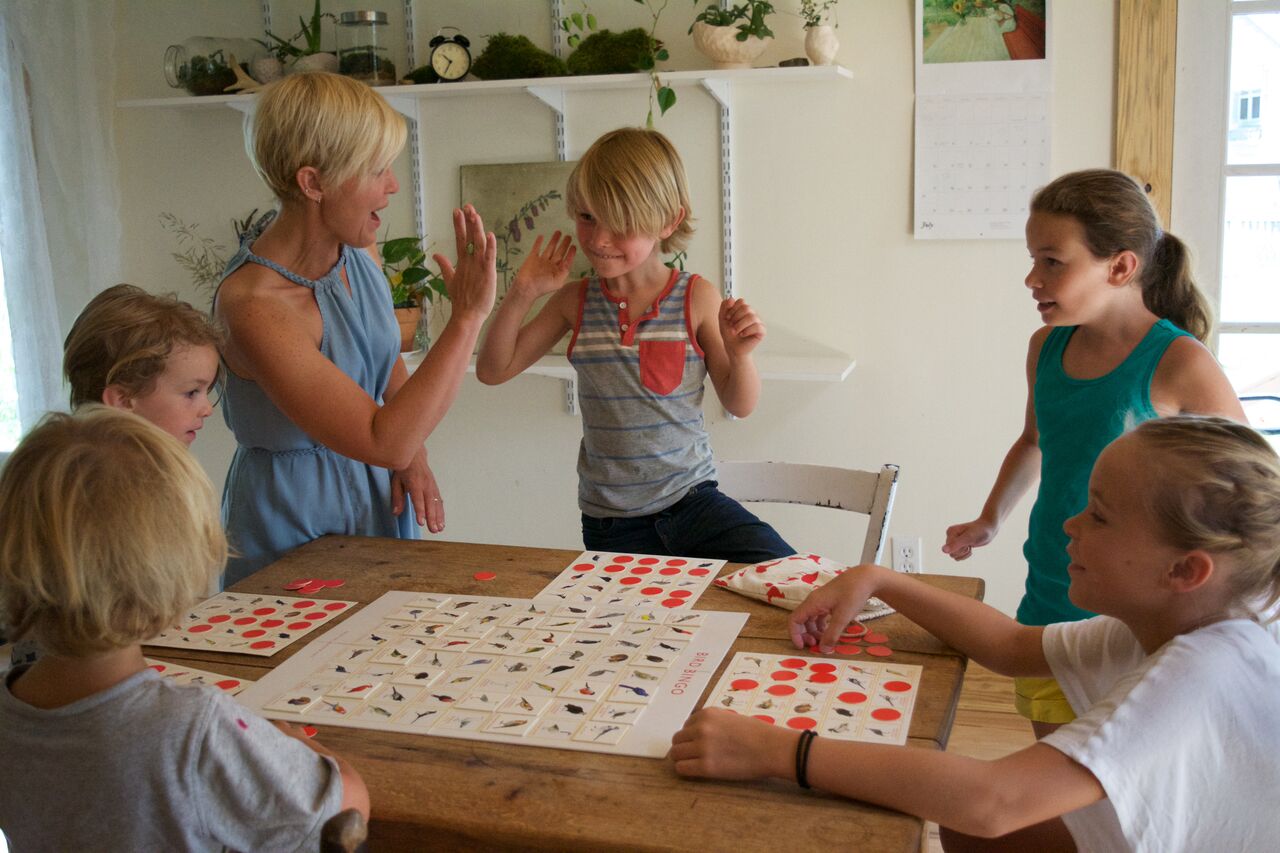
As for parents trying to incorporate these tips, Amy says to “be spontaneous and flexible” and “to rest and refuel.” It is summer after all!
Thank you Amy for sharing such brilliant tips and thanks to Erica for conducting the interview. Any ideas you might have on incorporating more reading and math into your family’s summer activities?